Medical Management
Medications can help control heavy bleeding, pelvic pain, and other symptoms associated with uterine fibroids. While they provide symptom relief, they do not permanently remove or cure fibroids.


Uterine fibroids are one of the most common non-cancerous growths affecting women during their reproductive years. Although many fibroids remain symptom-free, larger or multiple fibroids can cause heavy menstrual bleeding, pelvic pain, frequent urination, infertility, and pressure on surrounding organs. Early diagnosis and timely treatment can significantly improve a woman's health and quality of life.
At our center, we specialize in Uterine Artery Embolization (UAE)—an advanced, minimally invasive procedure that treats fibroids without major surgery. Led by Dr. Pradeep Muley, one of India's leading Interventional Radiologists, our goal is to preserve the uterus while providing faster recovery and long-lasting relief from fibroid symptoms.
Every patient receives a personalized evaluation using advanced imaging such as Ultrasound and MRI to determine the size, number, and location of fibroids before recommending the most appropriate treatment. Our patient-centered approach focuses on safety, comfort, and long-term outcomes.
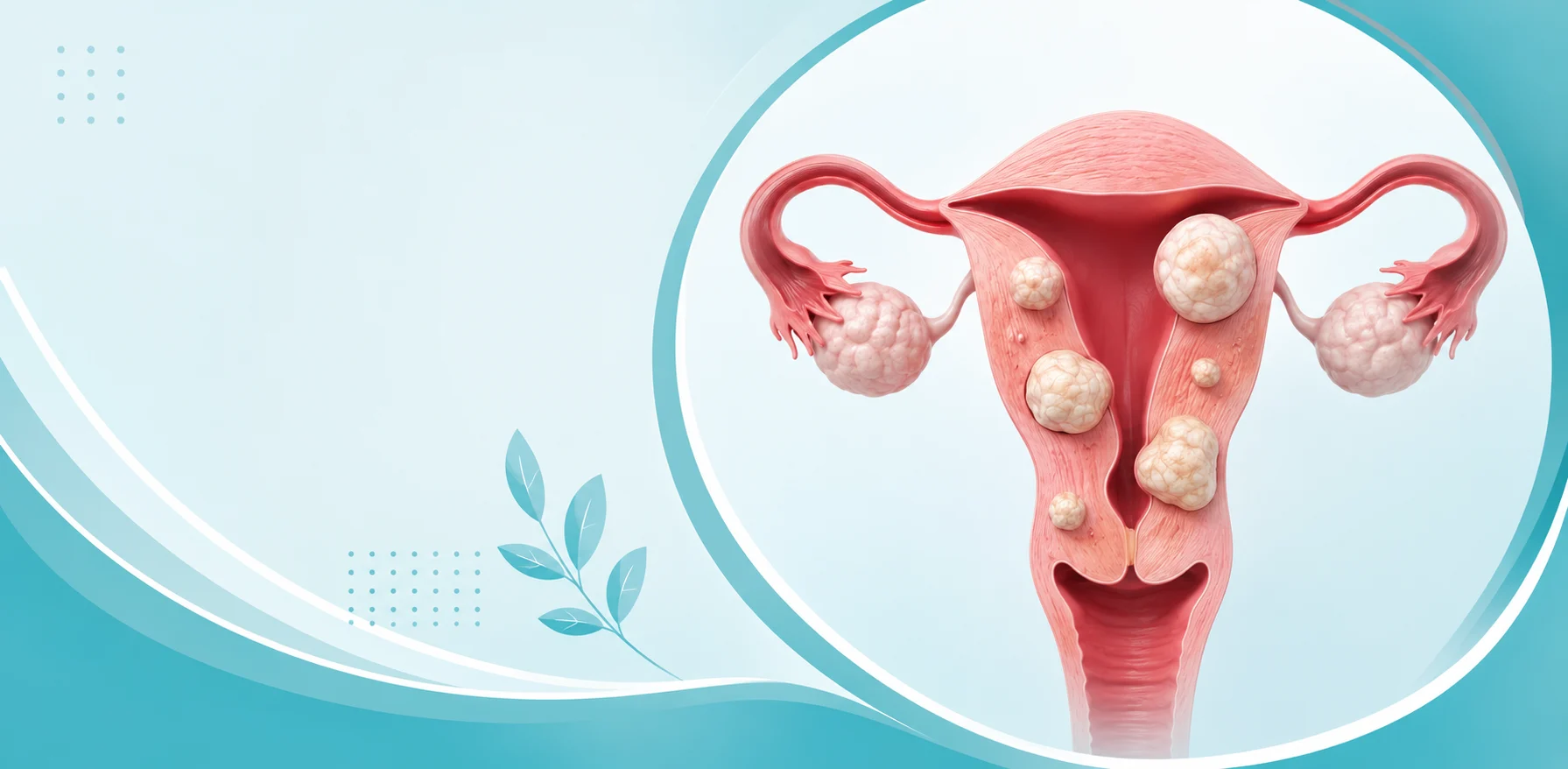
Uterine fibroids, also known as leiomyomas or myomas, are benign tumors that develop from the muscular wall of the uterus. They are extremely common among women between the ages of 30 and 50 and may vary in size from tiny seed-like nodules to large masses capable of enlarging the uterus significantly.
Fibroids are not cancerous and rarely become cancerous. However, depending on their size and location, they may lead to heavy menstrual bleeding, severe pelvic pain, infertility, repeated miscarriages, urinary symptoms, constipation, and abdominal swelling.
Uterine fibroids do not always cause symptoms, and many women may remain unaware of them for years. However, when fibroids increase in size or number, they can affect the normal functioning of the uterus and nearby organs, leading to a variety of symptoms that may interfere with daily life.
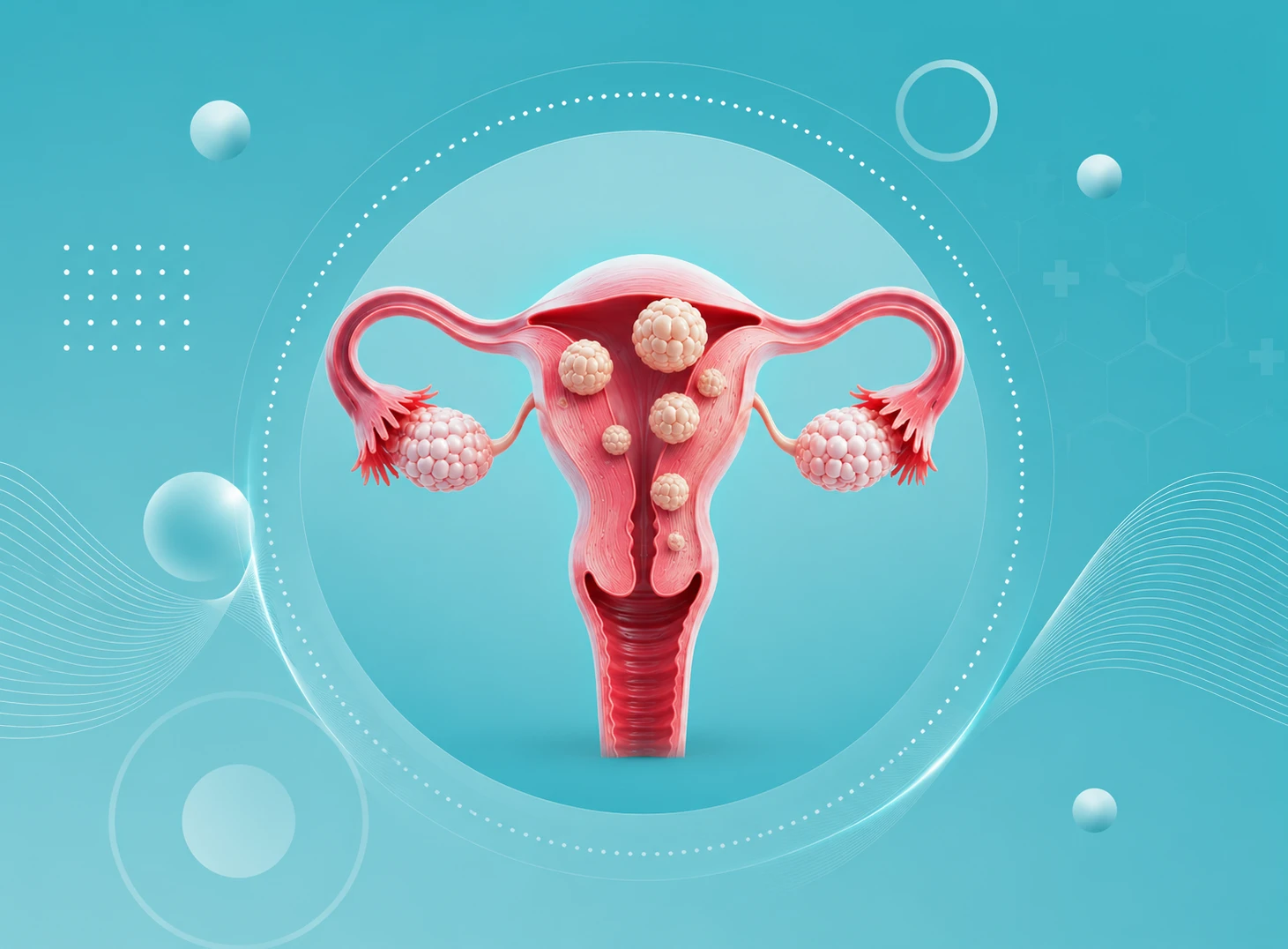

Early and accurate diagnosis is essential for choosing the most effective treatment. Our comprehensive evaluation helps determine the size, number, and location of fibroids, allowing us to recommend the most suitable treatment plan.
Uterine fibroids are often discovered during a routine gynecological examination. To confirm the diagnosis and accurately evaluate the fibroids, advanced imaging techniques are used to identify their size, location, and number before treatment is planned.
At our center, every patient undergoes a thorough clinical assessment followed by appropriate imaging studies to ensure a precise diagnosis and personalized treatment approach.
Treatment depends on symptoms, age, fertility plans, and the size and location of fibroids.
Medications can help control heavy bleeding, pelvic pain, and other symptoms associated with uterine fibroids. While they provide symptom relief, they do not permanently remove or cure fibroids.
UAE is an advanced, non-surgical treatment that blocks the blood supply to fibroids, causing them to shrink naturally. It preserves the uterus, requires only a tiny skin puncture, and offers a faster recovery than surgery.
Surgery may be recommended for selected patients and includes Myomectomy to remove fibroids or Hysterectomy to remove the uterus. The most appropriate option depends on symptoms, fibroid size, and future pregnancy plans.
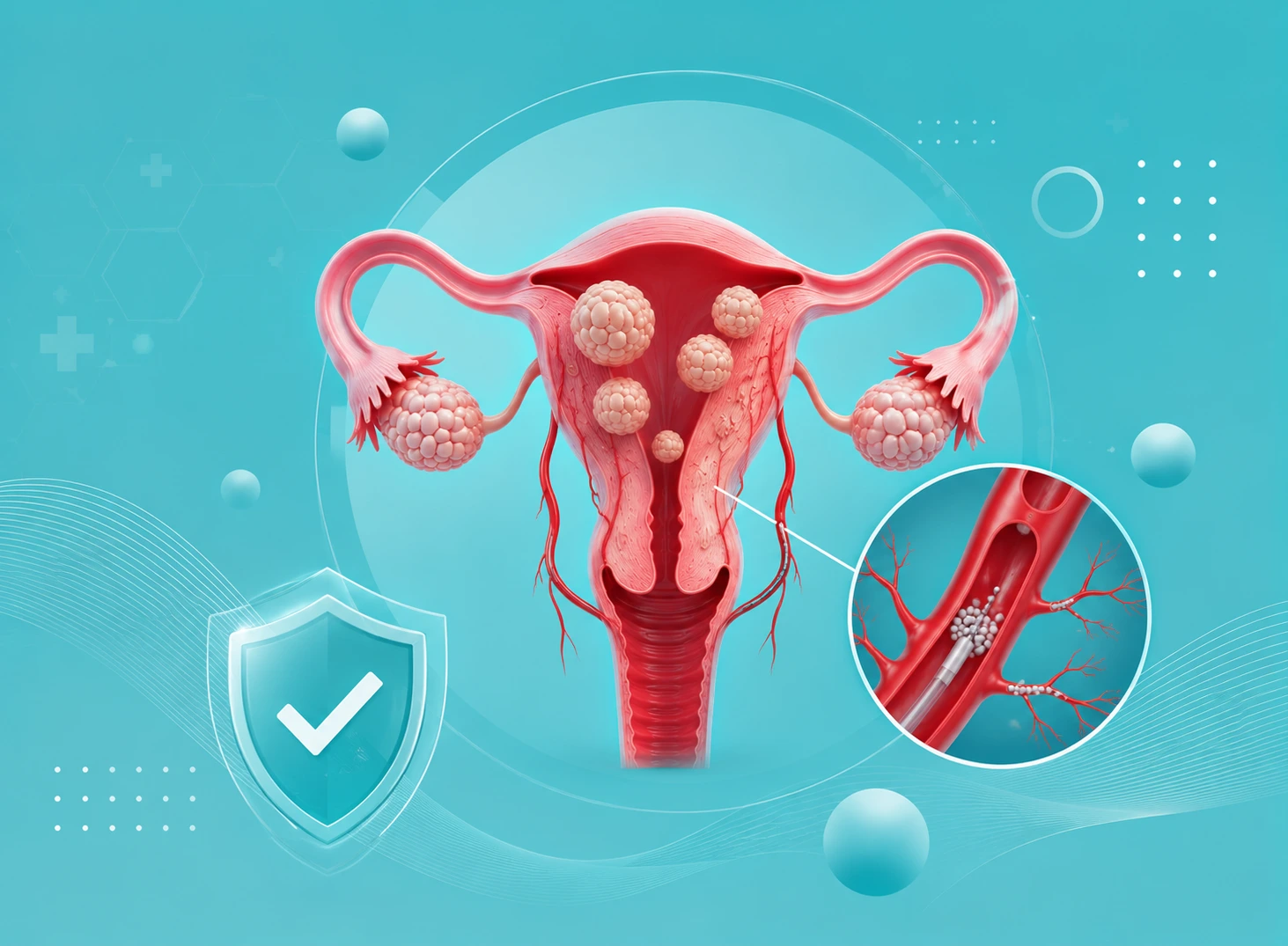
Uterine Artery Embolization (UAE), also known as Uterine Fibroid Embolization (UFE), is a safe and minimally invasive procedure performed by an Interventional Radiologist to treat uterine fibroids without major surgery. By blocking the blood supply to the fibroids, UAE causes them to shrink naturally while preserving the uterus and providing long-lasting relief from symptoms.