Tiny Skin Puncture
A tiny puncture is made in the groin or wrist under local anesthesia. A thin catheter is then inserted into the artery, eliminating the need for a large surgical incision.


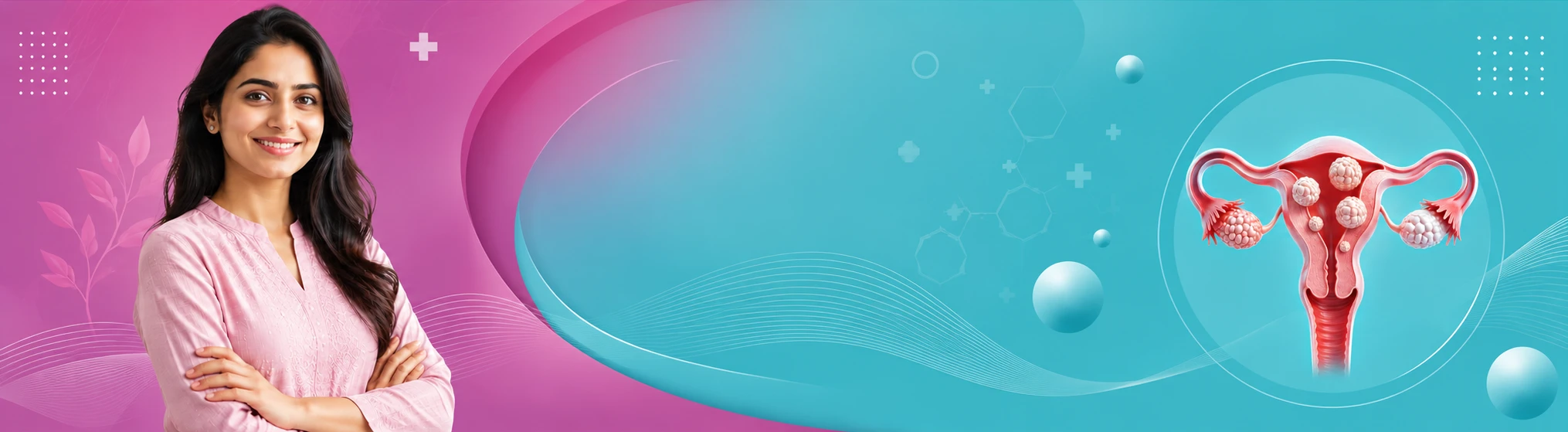
Large uterine fibroids can significantly affect a woman's health and quality of life, causing heavy menstrual bleeding, severe pelvic pain, pressure on the bladder or bowel, abdominal enlargement, and fertility concerns. While many women believe major surgery is the only solution, modern medical advances now offer effective minimally invasive treatments that preserve the uterus and provide faster recovery.
Uterine Artery Embolization (UAE), also known as Uterine Fibroid Embolization (UFE), is an advanced image-guided procedure that treats large and multiple fibroids without removing the uterus. Performed by Dr. Pradeep Muley, an experienced Interventional Radiologist, this minimally invasive treatment blocks the blood supply to fibroids, allowing them to shrink naturally while relieving symptoms with minimal downtime.
Every patient undergoes a comprehensive evaluation using advanced imaging techniques such as Ultrasound and MRI to accurately determine the size, number, and location of fibroids. Based on these findings, a personalized treatment plan is designed to deliver safe, effective, and long-lasting relief while helping women return to their normal lives as quickly as possible.
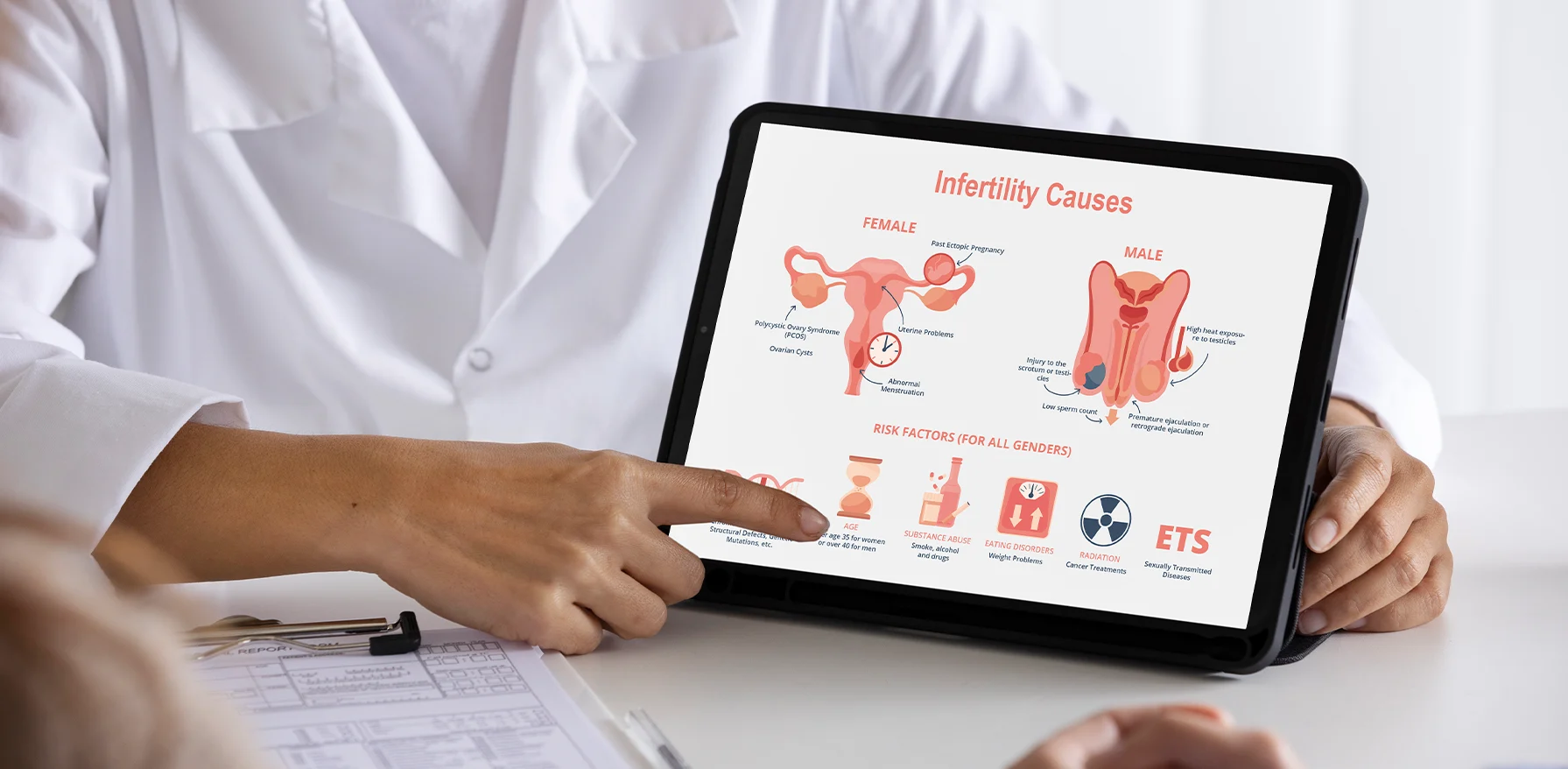
Uterine Fibroid Embolization (UFE/UAE) is considered one of the most effective minimally invasive treatment options for women with symptomatic large or multiple fibroids. Unlike traditional surgery, this procedure requires only a tiny skin puncture, avoids large abdominal incisions, and preserves the uterus while treating all fibroids in a single session.
Most women experience significant improvement in heavy bleeding, pelvic pain, pressure symptoms, and bladder discomfort within weeks after treatment. With a shorter hospital stay, quicker recovery, minimal blood loss, and a faster return to everyday activities, UFE has become an excellent alternative for women seeking effective fibroid treatment without major surgery.
Large uterine fibroids can do much more than cause discomfort—they can interfere with your daily routine, affect your overall well-being, and reduce your quality of life. As fibroids grow, they may put pressure on nearby organs, cause excessive menstrual bleeding, and lead to persistent pelvic pain. Recognizing these symptoms early can help you receive timely treatment and prevent further complications.
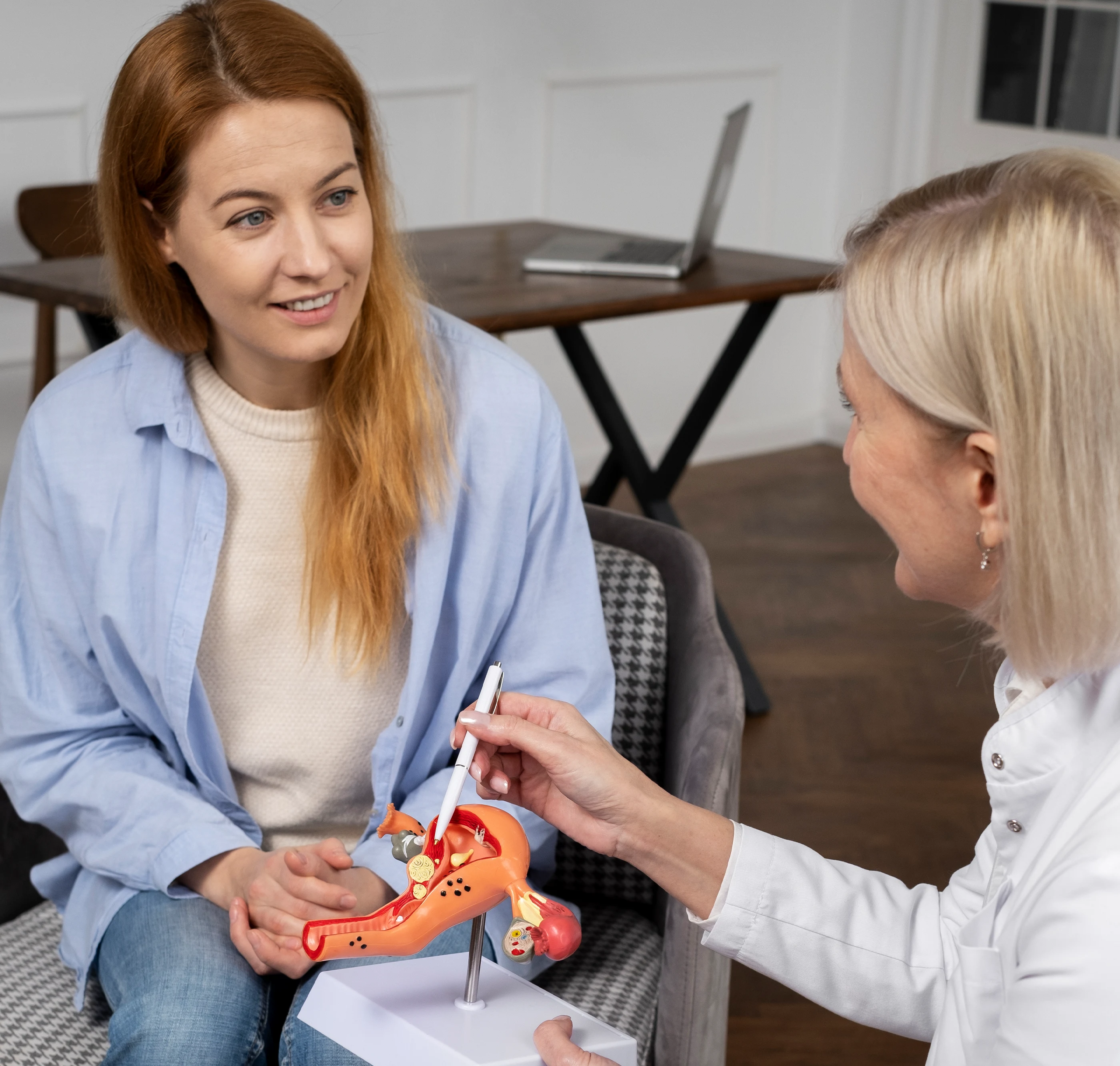
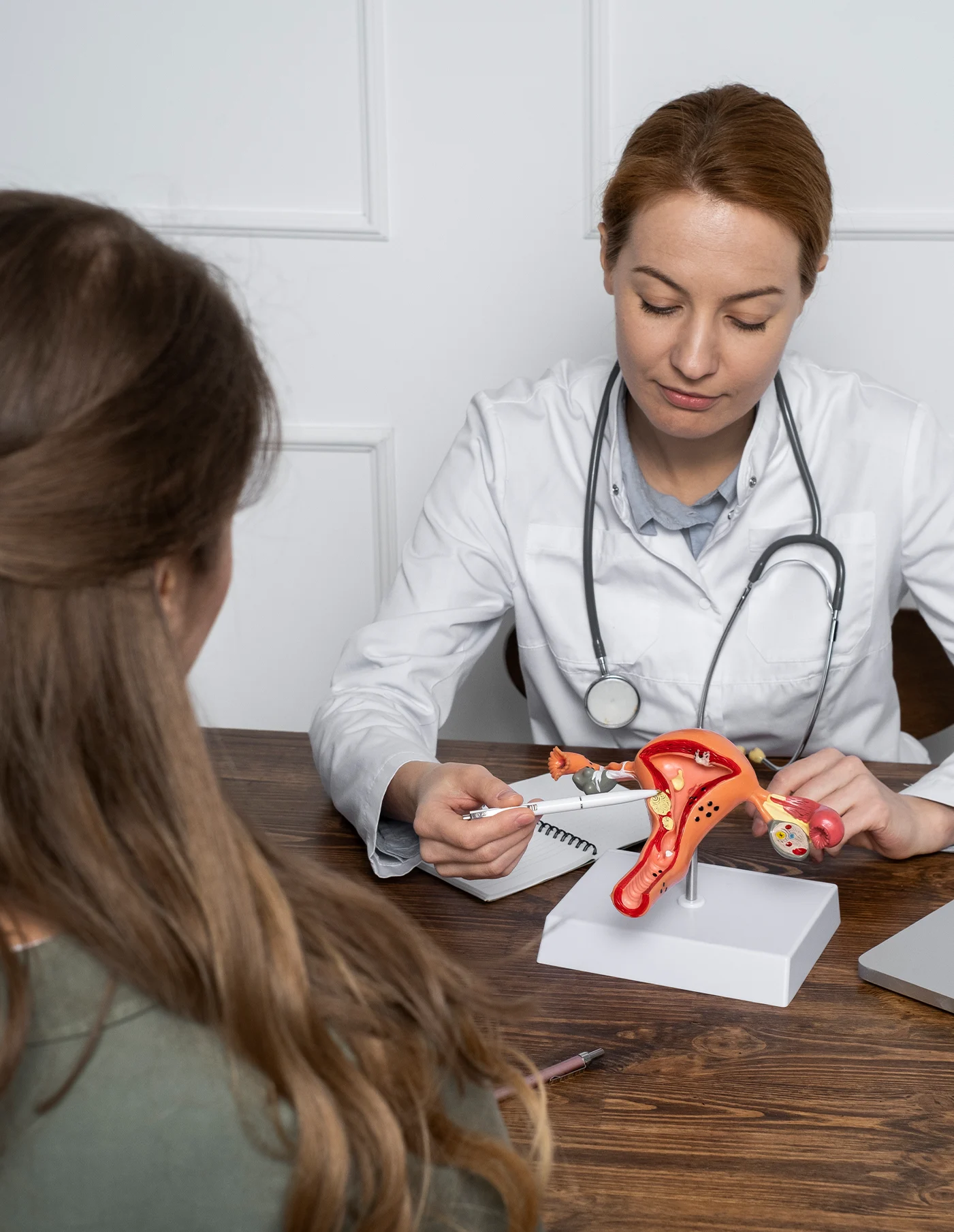
Uterine Fibroid Embolization (UFE), also known as Uterine Artery Embolization (UAE), is an advanced, minimally invasive treatment designed to relieve symptoms caused by large and multiple uterine fibroids without removing the uterus. During the procedure, tiny embolic particles are delivered through a thin catheter to block the blood supply feeding the fibroids. As the blood flow stops, the fibroids gradually shrink, reducing symptoms such as heavy bleeding, pelvic pain, pressure, and frequent urination while preserving healthy uterine tissue.
Unlike traditional surgery, UFE requires only a tiny skin puncture instead of a large abdominal incision. It can treat all fibroids in a single procedure, involves minimal blood loss, and allows most women to return to their normal daily activities within a week. For many women with symptomatic large fibroids, UFE offers an effective, uterus-preserving alternative with excellent long-term outcomes.

Uterine Fibroid Embolization (UFE) is an excellent minimally invasive treatment option for many women with symptomatic uterine fibroids. A detailed evaluation helps determine whether this uterus-preserving procedure is the right choice based on your symptoms, fibroid size, and overall health.
UFE is recommended for women experiencing troublesome fibroid symptoms who wish to avoid major surgery whenever appropriate. It is particularly beneficial for women with large or multiple fibroids and those looking for a quicker recovery while preserving the uterus.
Every patient is carefully evaluated using clinical examination and advanced imaging to determine whether UFE is the most appropriate treatment option.
Uterine Fibroid Embolization (UFE) is an advanced, minimally invasive procedure that treats fibroids by blocking their blood supply. As the fibroids lose their blood flow, they gradually shrink, relieving symptoms while preserving the uterus.
A tiny puncture is made in the groin or wrist under local anesthesia. A thin catheter is then inserted into the artery, eliminating the need for a large surgical incision.
Using real-time X-ray imaging, the Interventional Radiologist carefully guides the catheter to the uterine arteries that supply blood to the fibroids.
Tiny embolic particles are injected through the catheter to block the blood vessels feeding the fibroids, causing them to gradually shrink over time.
As the fibroids shrink, symptoms such as heavy bleeding, pelvic pain, and pressure improve. Most women return to normal daily activities within about a week.
Choosing the right treatment for large uterine fibroids depends on your symptoms, medical condition, and personal preferences. The comparison below highlights why Uterine Fibroid Embolization (UFE) is considered an effective minimally invasive alternative to conventional surgical treatments for many eligible women.
| Features | UFE (Uterine Fibroid Embolization) | Myomectomy | Hysterectomy |
|---|---|---|---|
| Major Surgery | ❌ No | ✅ Yes | ✅ Yes |
| Preserves the Uterus | ✅ Yes | ✅ Yes | ❌ No |
| Large Abdominal Incision | ❌ No | Usually Required | Usually Required |
| Treats Multiple Fibroids | ✅ In One Procedure | Limited | ✅ Yes |
| Blood Loss | Minimal | Moderate | Moderate to High |
| Hospital Stay | Usually 1 Day | 2–5 Days | 2–5 Days |
| Recovery Time | About 1 Week | 4–6 Weeks | 6–8 Weeks |
| Scar Formation | Minimal | Possible | Possible |
| Risk of Fibroid Recurrence | Low | Higher | No Recurrence (Uterus Removed) |